Confused between Digital Marketing vs Social Media Marketing? Learn the difference, benefits, pros & cons, and find out which one works best for your business growth in 2025.
Confused between Digital Marketing vs Social Media Marketing? Discover the key differences, benefits, pros & cons, and which works best for business growth in 2025
In today’s online world, people often mix up Digital Marketing and Social Media Marketing. Both help promote a business, but they are not the same thing.
Understanding the differences will assist you in selecting the most effective approach to connect with your customers and expand your company.
Digital Marketing vs Social Media Marketing: What’s the Difference?
What is Digital Marketing?
Digital Marketing means promoting your products or services on the internet using different online tools. It is a big umbrella term that covers many things, like showing ads online, sending emails to customers, making your website appear on Google (SEO), writing helpful blogs, and more.
Key Components of Digital Marketing:
• SEO (Search Engine Optimization) – Making your website appear higher on Google so more people can find it.
• Online advertisements that only cost money when a user clicks on them are known as PPC (Pay-Per-Click) ads Internet advertisements that only cost money when a user clicks on them.
• Content Marketing – Creating useful blogs, videos, or posts that attract and help your audience.
• Email Marketing – Sending messages or offers directly to people’s email inbox.
• Social Media Marketing – Using platforms like Facebook, Instagram, LinkedIn, and others to share content, connect with people, and promote your business.
• Affiliate Marketing – Letting other people promote your product and paying them a commission for each sale.
Reach in Digital Marketing
Digital marketing covers the entire internet. Your ads, website, or content can reach people on Google, websites, blogs, emails, and online ads. It helps you connect with both local and global audiences who are searching for your products or services.
Platforms in Digital Marketing
Includes multiple online channels such as Search Engines (Google, company websites, blogs, email marketing (Gmail, Outlook), and paid ads (Google Ads, Display Ads). These platforms allow you to build a strong online presence beyond just social media.
Pros and Cons of Digital Marketing
Pros:
Reaches people across the internet, not just on one platform.
Works for both local and global audiences.
Can track results easily with tools like Google Analytics.
Flexible budget — can start free or spend as much as you want.
Builds long-term trust through SEO and quality content.
Cons:
SEO takes time to show results (months).
Needs some technical skills to do it well.
Paid advertising can become costly if not planned and managed effectively.
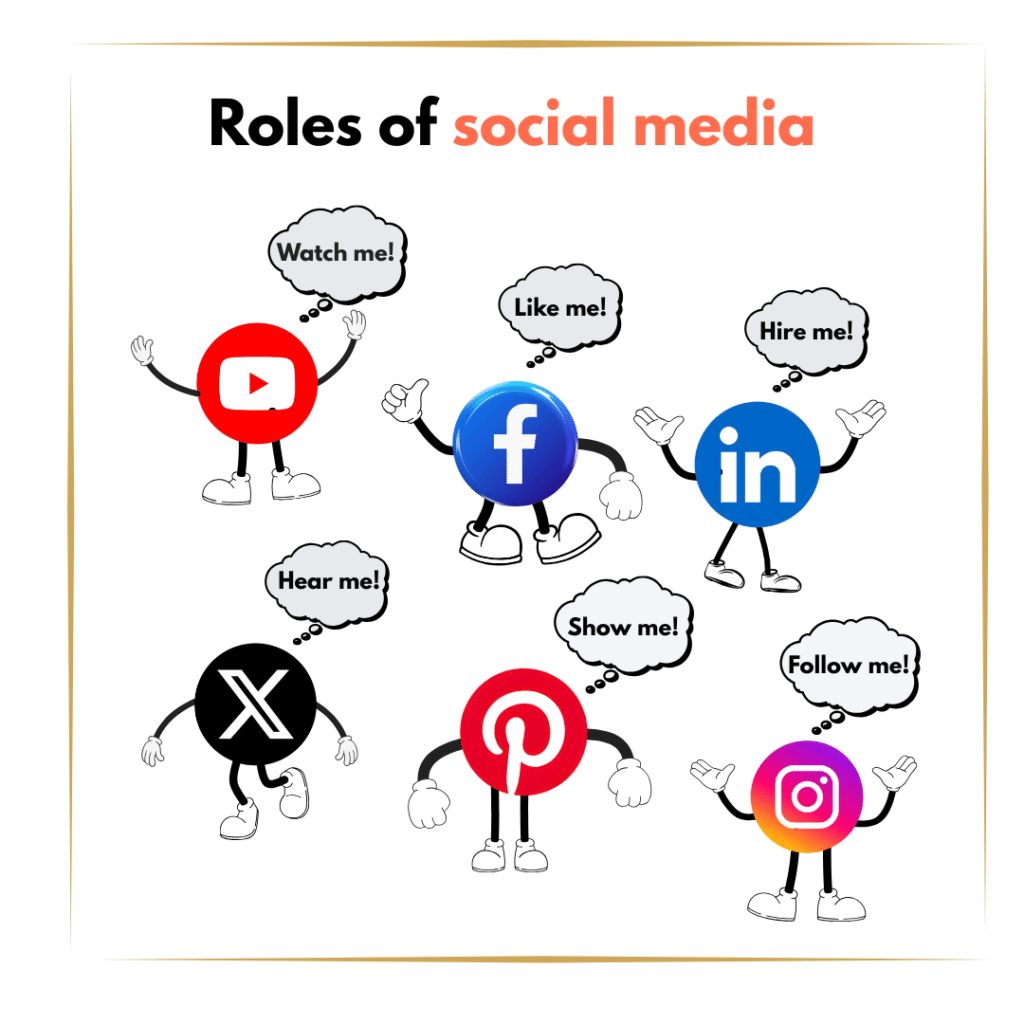
Social Media Marketing is a part of Digital Marketing that focuses only on social media platforms like Facebook, Instagram, LinkedIn, X, YouTube.
Key Components of Social Media Marketing:
• Content Creation –Creating posts, reels, stories, and videos to engage your audience, build brand awareness, and drive traffic.
• Facebook, Instagram, and other paid social media advertisements.
• Replying to comments, messages, and reviews. Community Engagement – Actively replying to comments, messages, and reviews to build trust, strengthen relationships, and improve brand loyalty.
• Influencer Collaborations – Influencer Collaborations – Partnering with popular social media influencers to promote your brand, reach a wider audience, and boost credibility.
Reach in Social Media
Social media marketing is limited to social media platforms only like Facebook, Instagram, YouTube, LinkedIn, TikTok, and X (Twitter). Your reach depends on how active your followers are and how well your posts or ads perform.
Platforms in Social Media Marketing
Focuses only on social media apps such as Facebook, Instagram, YouTube, LinkedIn, TikTok, and X (Twitter). These platforms are best for building community, brand awareness, and quick engagement with your audience.
Pros:
• Quick way to get attention and connect with customers.
• Free to post; paid ads are affordable for small businesses.
• Easy to target people by interests, location, and age.
• Can go viral and reach thousands of people within hours through engaging and shareable content.
• Let’s you interact directly through comments and messages.
Cons:
• Results can drop if you stop posting regularly.
• It is more challenging to reach audiences who are not active on social media platforms.
• Many businesses post on social media, so it can be hard to stand out without creative content
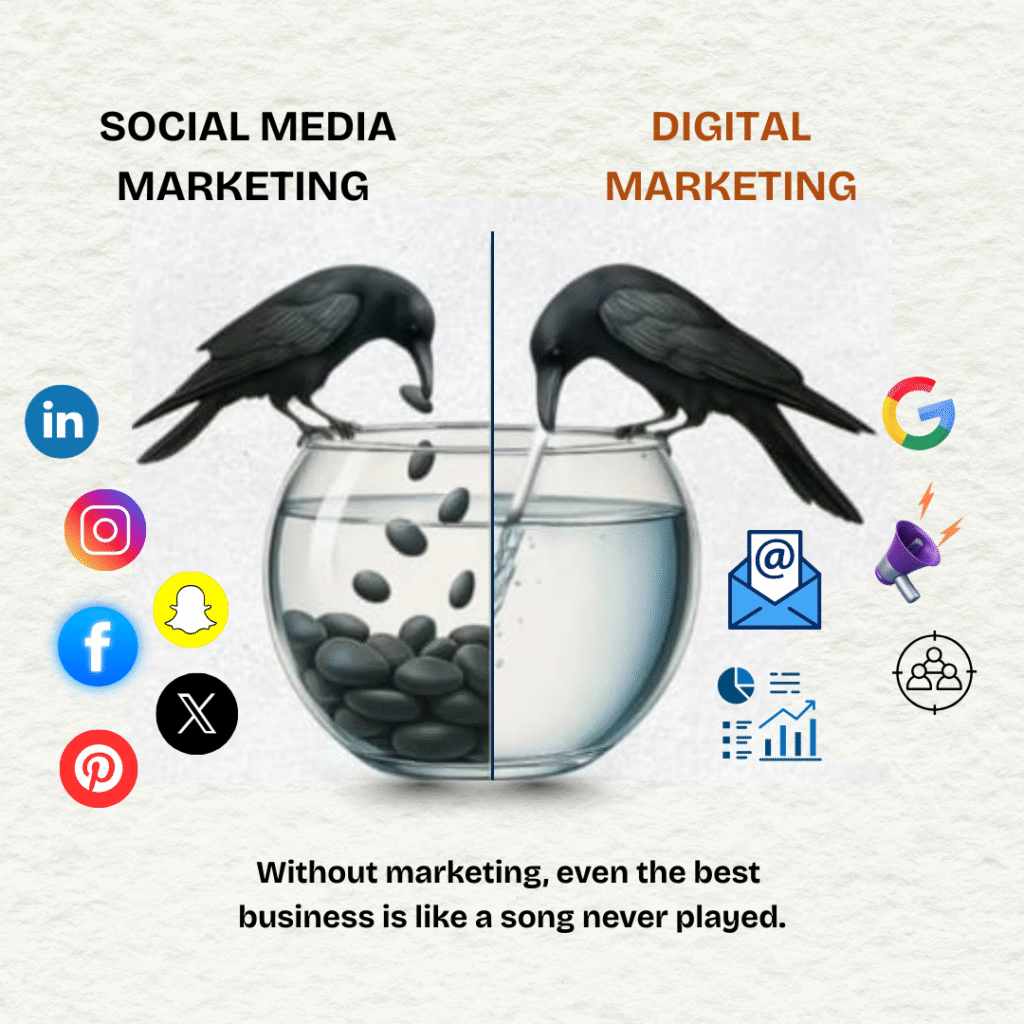
Comparison of Digital Marketing vs Social Media Marketing
Feature
Digital Marketing
Social Media Marketing
Reach
Social Media Marketing
Social media platforms only
Best For
Long-term brand growth
Quick engagement & visibility
Cost
Flexible – can be free or paid
Often lower cost, but needs regular posting.
Speed of Results
SEO takes time, ads give quick results.
Can go viral quickly, but short-term.
Customer Targeting
Very specific (by search intent)
Specific by interests & demographics
Which Works Best in 2025 for Business Growth-Digital Marketing vs Social Media Marketing?
In 2025, both Digital Marketing and Social Media Marketing are powerful – but they work in different ways.
Start with Social Media Marketing for quick brand awareness, and use Digital Marketing to keep growing and converting leads into customers.
• Digital Marketing works better for long-term growth. It helps you reach people through search engines, websites, emails, and ads. It builds trust, gets you more traffic, and keeps customers coming back.
• Social Media Marketing works better for quick attention. It allows you to instantly connect with your audience on popular platforms like Instagram, Facebook, boosting engagement and brand visibility.
Who sees it?
• Digital Marketing – Your ads, website, or content are shown to people who are already searching for your products or services on Google or browsing related websites. These are people who want or need what you offer.
• Social Media Marketing – Your posts, stories, or ads are shown to people based on their interests, location, age, and online behavior. People who already follow your page. New audience you target with ads based on their interests, location, age, and online preferences.
How Fast It Works?
• Digital Marketing – Some parts, like SEO, are slow and can take a few months because your website needs time to move up on Google. Other parts, like online ads (PPC), can bring visitors and customers the same day you start them.
• Social Media Marketing – Can deliver quick results by reaching your target audience instantly through engaging posts, stories, and ads.
• If your post is interesting or goes viral, you can get likes, comments, and new customers in just a few hours or days.
What is Cost?
• In Digital Marketing – Some methods like SEO can be free if you do them yourself, but paid ads like Google Ads cost money. You can choose how much you want to spend.
• In Social Media Marketing –Posting on social media is free. If you want more people to see your posts, you can run paid ads, which are usually cheaper than many other types of ADS.
• Cost is the total amount of money you spend to achieve a goal, buy a product, or run a marketing campaign.
Which Strategy is Best for Small Business Growth in 2025-Digital Marketing vs Social Media Marketing?
For small businesses in 2025, both Digital Marketing and Social Media Marketing can drive growth, but each works in a unique way to reach and engage customers.
➤ Digital Marketing is ideal for reaching a wider audience through multiple channels such as Google searches, email marketing, online ads, and website SEO.
Benefits for Small Businesses:
• Helps you reach people who are actively searching online for your products or services, increasing chances of conversions. Works across multiple platforms, not just one app or website.
• Builds a strong and lasting online presence, helping your business achieve long-term digital success.
➤ Social Media Marketing is best if you want to get attention quickly without spending too much money. Platforms like Facebook, Instagram, and TikTok help you connect directly with customers and show your products fast.
Benefits for Small Businesses:
• Quick way to get noticed by your audience.
• Cost-effective, especially for local promotions.
• Enables direct interaction with your audience through comments, messages, and live videos, boosting engagement and trust.
• Can go viral with engaging content.
Conclusion-Digital Marketing vs Social Media Marketing
Both digital marketing and social media marketing are useful, but they work in different ways.
Digital marketing is good for long-term growth. It helps you build trust and reach people through websites, Google, and emails.
Social media marketing is good for quick results. It helps you get attention fast, connect with people directly, and grow brand awareness.